Brazilian spiritual practices to try on your trip
If you’re the kind of traveller who wants to feel a place from the inside out, then this is for you. Beyond the beaches and landmarks, Brazil carries a deep and layered spiritual culture that’s often overlooked by tourists. The practices you’ll read about here are rarely part of mainstream travel itineraries. They are intimate, rooted, and deeply Brazilian. To engage with them is to immerse yourself in the real life of the people. And in doing so, you may find that something within you shifts, softens, or heals.
🌿 Umbanda and candomblé cceremonies
Candomblé and Umbanda are distinct yet often interwoven Afro-Brazilian religions that emerged from the resilience of African people brought to Brazil during the transatlantic slave trade.
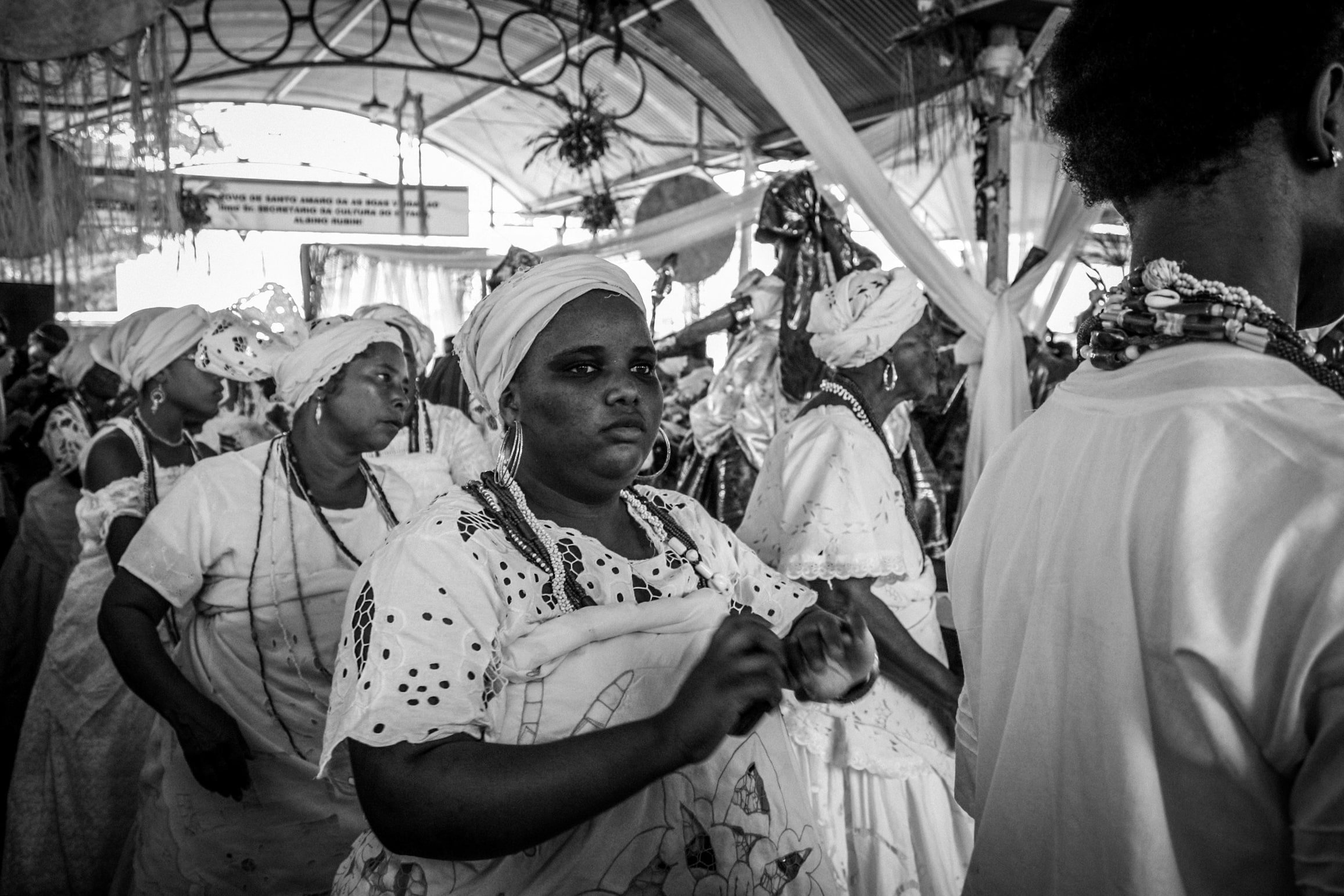
Candomblé is more traditional and liturgical, with strong ties to Yoruba, Fon, and Bantu beliefs. Ceremonies involve offerings, sacred songs in African languages, drumming, and trance possession by orixás (deities associated with nature forces, like Oxum of freshwater or Iansã of winds).
Umbanda is more syncretic, blending African spiritualism with Catholic saints, Spiritist philosophy, and Indigenous elements. Rituals often involve mediums, spiritual healing, and messages from benevolent spirits.
Both traditions revolve around honouring ancestors, spiritual energy, and the balance between humans and the divine. These ceremonies are not performances; they are sacred acts of communion, healing, and cultural preservation. The rhythm of the drums is said to open energetic portals. Each orixá has specific colours, dances, and symbols.
🔥 Ayahuasca ceremonies
Ayahuasca is a visionary plant brew traditionally used by Amazonian Indigenous communities for healing and spiritual connection. In Brazil, it’s legal within the framework of religious organisations like Santo Daime and União do Vegetal (UDV).
Santo Daime ceremonies involve singing hymns, wearing white, and moving through structured spiritual rituals that blend Christianity with Amazonian shamanism.
UDV focuses more on silent introspection and guided reflection during the sessions.
The brew can induce vivid visions, emotional purging, and deep spiritual insight. Ayahuasca is often described as a “teacher plant.” Participants report feelings of spiritual rebirth, connection with nature, and release of emotional blockages. Integration after the ceremony is essential, as the experience can be profound and destabilising.
🌺 Flower bath rituals
Banho de ervas (herbal baths) are a widespread Brazilian folk practice used to clear negative energies, attract peace, love, or spiritual protection. Common herbs include arruda (rue), lavanda (lavender), and manjericão (basil).
The bath is prepared by steeping fresh herbs and flowers in warm water, often with prayers or intentions. The liquid is then poured over the body, usually from the shoulders down. It’s a gentle yet powerful ritual of spiritual hygiene, often performed at the start of the year, before important transitions, or during emotionally heavy times.
You can find flower baths in Umbanda centres, terreiros, and spiritual supply shops (casas de axé) across major cities like São Paulo, Rio de Janeiro, and Salvador. Some offer ready-made herbal blends or guided rituals. Holistic therapists and energy healers may also include them in sessions. For a more personal experience, you can prepare your own with guidance from a spiritual mentor or local practitioner.
🌾 Pajelança (indigenous healing rituals)
Pajelança is rooted in Indigenous Brazilian cosmologies and is practised by pajés (healers or shamans) within their communities. It involves herbal remedies, sacred chants (pontos), energy cleansing, and spiritual journeys.
Ceremonies may include smoke from healing plants, tactile healing with leaves, or deep storytelling guided by ancestral spirits. It is less about individual enlightenment and more about harmony with the collective and the natural world. It reflects a worldview where plants, rivers, and animals are sentient and relational. It’s a practice of reciprocity and ecological respect.
Some Indigenous-led ecotourism projects in the Amazon, Acre, or Pará allow respectful participation. Always seek experiences that centre Indigenous leadership and values.
🔮 Kardecist spiritism
Spiritism, founded on the 19th-century teachings of Allan Kardec, focuses on spiritual evolution, reincarnation, and the moral development of the soul. Brazilian Spiritist centres offer free services like healing passes (passe espiritual), study groups, and channelling sessions.
Spiritist books, especially The Spirits’ Book, are widely read. Unlike mystical traditions, Spiritism is more philosophical. It teaches that spiritual maturity comes from humility, charity, and service. Centres often run humanitarian work, such as soup kitchens or support groups.
🌊 Iemanjá festival (February 2nd)
Iemanjá is the orixá of the ocean, associated with motherhood, fertility, and protection. Every February 2nd, thousands gather at the beaches (especially in Salvador and Rio de Janeiro) dressed in white, to offer flowers, perfume, and written prayers to the sea.
Participants place offerings in small boats or throw them directly into the water, asking for blessings, guidance, or healing. It’s one of Brazil’s most beautiful public spiritual expressions: communal, sensory, and emotional. Even those who are not religious feel the power of gratitude and surrender as they face the vastness of the sea.
A deeper way of seeing Brazil
Engaging with Brazilian spiritual practices is about allowing the wisdom of another culture to touch you. These rituals aren’t shows, and they’re not for consumption. They are ways of living, breathing, and connecting with the invisible threads that tie people to land, ancestors, and the divine. When approached with respect, they open a rare doorway into parts of yourself you might have forgotten.
So if you’re drawn to spiritual travel, or simply curious to feel more, this might be your invitation. Attend a ceremony. Sit in silence. Pour flowers over your shoulders. Let Brazil teach you something you didn’t know you needed.
Have you ever tried a spiritual practice while travelling? And if you found this helpful, pass it along to a fellow mindful traveller.


About the author: Thaíz Lara is the creator behind New Hermits, a New Zealand-based storyteller who believes in the power of story and soul-filled travel. After living in 5 countries and exploring 60, she has come to understand that the most meaningful journeys often begin within. Learn more about Lara.

Affiliate disclosure: This post contains affiliate links. If you make a purchase through one of them, we may earn a commission at no extra cost to you. We only recommend what we truly believe in. See our terms & conditions.