
What are some traditions in Brazil by season?
Brazil's vastness goes beyond geography. It stretches across rhythms, beliefs, and celebrations that quietly shape the country’s soul. While some traditions like Carnaval and New Year’s are internationally known, many others live in the heart of communities, aligned with saints’ days, harvests, and moon cycles.
These events are reflections of collective memory, faith, and joy. Understanding them can enrich your journey through Brazil, helping you move not only across places but within them. This seasonal guide reveals what to expect and how to travel with intention.
🏖️ Summer (Dec-Feb)
New Year (Réveillon) & offerings to Iemanjá
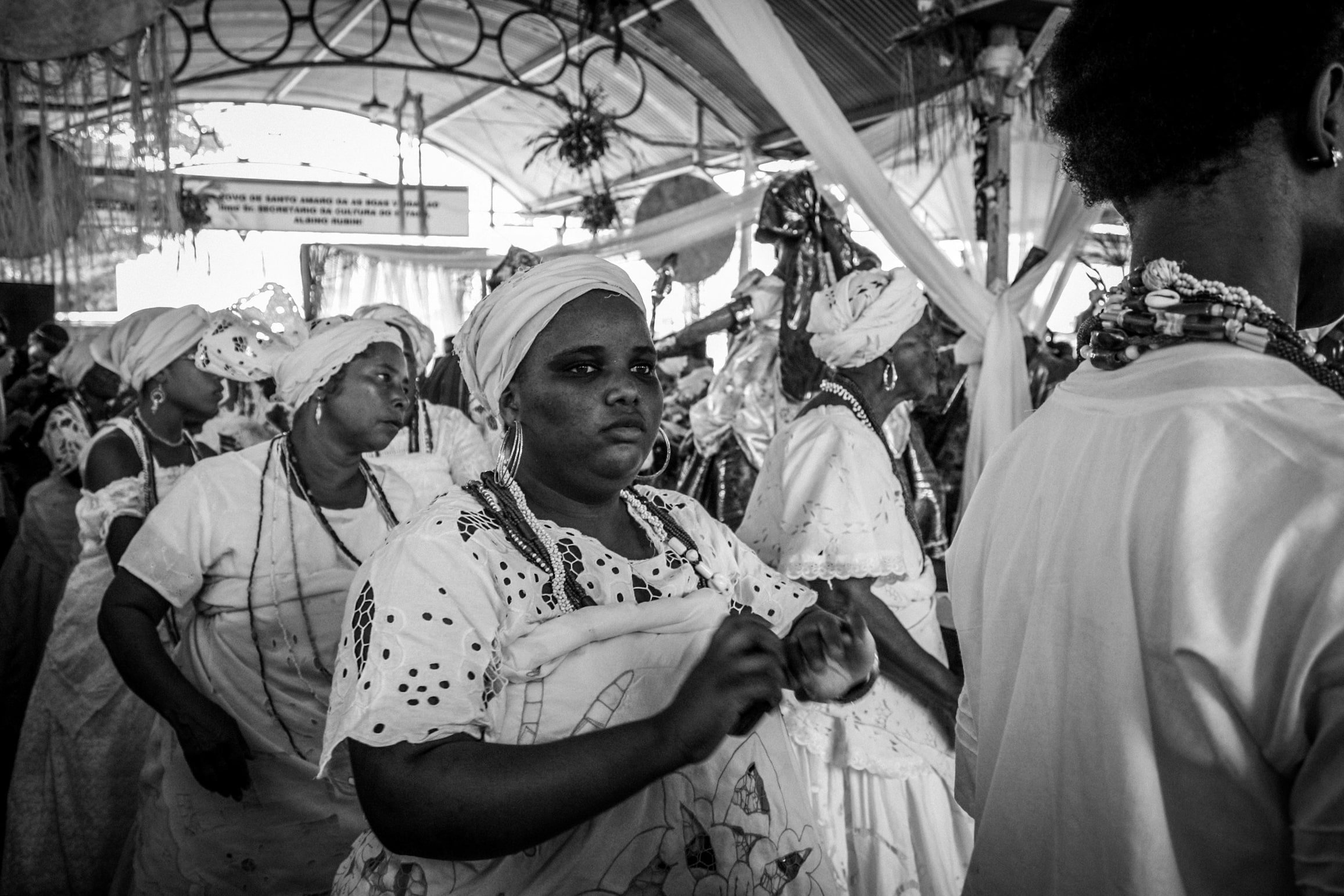
In Brazil, New Year’s Eve is often called Réveillon, derived from the French réveiller (“to wake up”), symbolising the awakening of a new cycle. One very visible custom is wearing white. Many Brazilians dress in white clothes on New Year’s Eve as a gesture of peace, purification, and good intentions for the coming year. This tradition draws from Afro‑Brazilian religions such as Candomblé and Umbanda.
On coastal cities, people gather at beaches, light candles, and offer white flowers, perfumes, jewelry, soaps, or small gifts to the sea. These offerings are meant for Iemanjá (the goddess of the sea) and are placed into small boats or baskets sent into the ocean. If the offerings drift away on the current, it is said Iemanjá has accepted them; if they return, the ritual may be repeated. At midnight, many also jump seven waves (one for each wave) while making silent wishes. This act is believed to attract blessings and good energy. Some people also eat 12 grapes (one for each month) or lentils as omens of abundance.
In Salvador (Bahia), the Festa de Iemanjá is celebrated not on New Year’s Eve but on 2 February. It’s a major ritual honouring Iemanjá, with offerings at sea, music, and devotion.
For travellers: be respectful on beaches during these rituals, avoid pushing offerings into the water yourself unless invited, and observe from a distance. It’s a moment of faith and reflection for many Brazilians, not purely spectacle.
Carnaval
Carnaval in Brazil is the largest and most iconic festival in the country. It generally occurs in February or March, tied to the liturgical calendar. Etymologically, Carnaval comes from carne vale (“farewell to meat”), referring to the period of abstinence (Lent) that follows. Over time, Carnaval in Brazil has evolved far beyond the purely religious precursor. It weaves in Afro-Brazilian culture, Indigenous rhythms, civic identity, and regional diversity.
In major cities like Rio de Janeiro, Carnaval includes grand parades by samba schools in the Sambadrome, with floats, costumes, choreographed performances, and massive audiences. In Salvador, Bahia, Carnaval manifests differently with trio elétrico (moving musical trucks) and Afro-blocos. Street parties (blocos) are everywhere. These are more informal, free, and open to everyone. You don’t need to be part of an organized parade to dance and join the joy.
Spiritual retreats (post-Carnaval)
After the wildness of Carnaval, many Brazilians (especially those more spiritually inclined) retreat inward for rest, reflection, or reconnection with nature. In smaller towns or spiritual communities, people may journey to secluded landscapes, rural areas, or forested zones for meditative or ritual practices. This is not a formally scheduled festival, but a cultural impulse. A quiet reset, often personal, and less visible to tourists.
🍂 Autumn (Mar-May)
Lent & Holy Week (40 days)
Lent (Quaresma) begins on Ash Wednesday, immediately after Carnaval. It is a 40-day period (excluding Sundays) of fasting, penance, and preparation for Easter. Many devout Catholics in Brazil abstain from red meat (and sometimes other indulgences) during this period. The idea is simplicity, sacrifice, and spiritual preparation.
In many towns, processions, re-enactments, and theatrical representations of the Passion of Christ occur, especially during Holy Week (Semana Santa). One famous ritual is the Procissão do Fogaréu: in towns like Goiás, on Holy Thursday night, participants (penitents called farricocos) walk through streets carrying torches, representing Roman soldiers, reenacting Christ’s arrest. Some towns stage the Via Crucis (Stations of the Cross), processions, candlelit ceremonies, and even street theatre.
For travellers: in many cities, parts of the city slow down during Holy Week; public services may adjust hours. It’s a deeply felt, solemn time for locals, so dress modestly when entering churches or attending processions.
Easter (Páscoa)
Easter culminates the Lenten journey and marks the resurrection of Christ. It is one of the most sacred observances in Brazilian Catholic life. Families often gather for a special lunch, attend Mass, and share symbolic foods (fish or vegetarian dishes, avoiding meat as tradition) on Good Friday and Easter Sunday. In many regions, chocolate eggs, sweets, and decorative gifts also play a role, especially for children. In smaller towns, you’ll often find live re-enactments, street processions, and local rituals tied to community identity.
For travellers: churches may host midnight vigil services (Vigília Pascal). It’s a moment to observe silence, ritual, and awe.
🧣 Winter (Jun-Aug)
Valentine’s Day (Dia dos Namorados, 12 June)
In Brazil, the celebration of love is not on 14 February. Dia dos Namorados is on 12 June, the eve of Saint Anthony’s Day. Saint Anthony is often considered a “matchmaker” saint; thus, the date is symbolically tied to love and partnership. Couples exchange gifts (flowers, chocolates, letters) or plan romantic dinners. The mood is intimate rather than grandiose. There are folk rituals (called simpatias) associated with Saint Anthony: for example, “burying an object” or “planting basil” with intentions to attract love.
While not as universally celebrated as Christmas or Carnival, it holds special meaning in romantic, familial, and local life.
Festa Junina (June festival)
Festa Junina (literally “June Festivals”) is one of Brazil’s most beloved cultural expressions. It spans the month of June and is rooted in Catholic and rural traditions. Traditions include:
Bonfires (fogueiras) as central gathering points.
People dress in rural costumes: checkered shirts, straw hats, patched dresses (“caipira” style).
Quadrilha dance: a communal square dance that often features playful mock weddings, spoken-themed steps, and organised choreography.
Forró music (accordion, triangle, zabumba) is common throughout the night.
Food is central: corn-based dishes like canjica (sweet corn porridge), pamonha, corn cake, popcorn, peanuts, sweet rice, quentão (a warm spiced drink), and sweets like pé de moleque.
Decorations: bandeirinhas (small flags), colored paper lanterns, balloons.
In the Northeast, Festa Junina is especially intense; celebrations last days, and entire towns transform. Festas de São João refers often to the Saint John celebrations (24 June), the central point of the June festivals. São Pedro (29 June) also has particular rituals, especially in coastal or riverside towns. In Maranhão, for example, there is a maritime procession of Saint Peter involving boats and thanksgiving for fishermen.
For travellers: Festa Junina is often low-cost to join, deeply local, and extremely warm in spirit. Don’t expect luxury; expect hospitality, community, music, and food. Dress a little rustic, blend in, and step into the fun with respect.
🌺 Spring (Sep-Nov)
Independence Day (7 September)
Brazil’s Independence Day (Dia da Independência) commemorates Dom Pedro I’s declaration in 1822, declaring Brazil’s separation from Portugal. The day is marked by military parades, civic ceremonies, patriotic displays, flags, school events, and public speeches. Many cities host parades and raise flags in public squares. Though not always emotionally intense, it is widely observed, especially in school settings and by governor’s offices.
For travellers: you may see altered traffic, closures in civic squares, or public ceremonies. It's a chance to see national pride in motion.
Children’s Day (12 October)
Día das Crianças is a deeply familial holiday. Kids often receive gifts, and families plan outings. In many places, children’s fairs, events, and school celebrations are organised. Because it coincides with Brazil’s Our Lady of Aparecida (the nation’s patron saint), many combine religious observance with family celebration.
For travellers: It’s not a major national festival, but local communities often observe.
All Souls’ Day (2 November / Dia de Finados)
Dia de Finados is a day to honour the dead. Families visit cemeteries, light candles, bring flowers, clean tombs, and pray for departed loved ones. It is a solemn, reflective day. Many people attend Mass, and in rural or smaller communities, there may be communal gatherings at cemeteries. It is less about spectacle and more about memory, contemplation, and reverence.
Honour the seasons, embrace the soul of Brazil
Every season in Brazil carries a different energy: from the celebratory pulse of summer to the introspective stillness of November. These rhythms reveal what people care about, remember, and hope for.
If you’re visiting Brazil, align your journey with the local calendar. Ask questions. Be present. You might find yourself sharing silence during a rural procession, dancing under a sky of paper lanterns, or watching waves carry offerings into the sea. These moments, however simple, are sacred.
How do you move through the seasons in your own life?


About the author: Thaíz Lara is the creator behind New Hermits, a New Zealand-based storyteller who believes in the power of story and soul-filled travel. After living in 5 countries and exploring 60, she has come to understand that the most meaningful journeys often begin within. Learn more about Lara.

Affiliate disclosure: This post contains affiliate links. If you make a purchase through one of them, we may earn a commission at no extra cost to you. We only recommend what we truly believe in. See our terms & conditions.

From beachside rituals to bonfire dances, discover Brazil’s most meaningful traditions (season by season).