
How to prepare dishes for a restaurant photoshoot
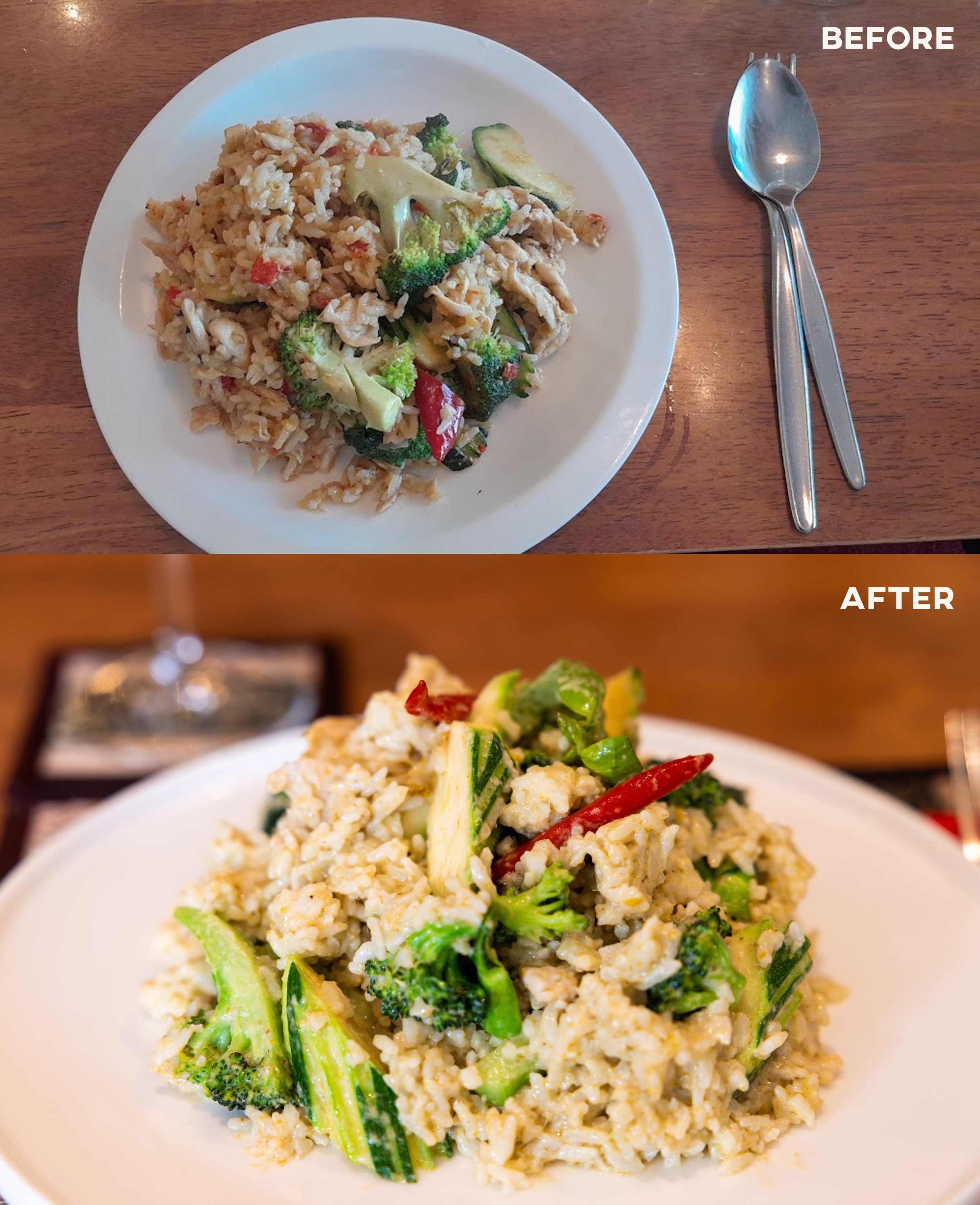
A dish can taste incredible and still look underwhelming in a photo. And in today’s digital world, where most customers discover restaurants through images, that visual impression matters more than ever. The way a dish is prepared for a photoshoot can directly influence how appealing, premium, and trustworthy a restaurant appears.
If you are preparing for a shoot, understanding a few key principles can make a significant difference in the final result. And if you would rather focus on running your business while ensuring your visuals are handled professionally, working with a specialist in restaurant photography in New Zealand can elevate not only your images, but how your brand is perceived. You can explore our approach here.
Cook for the camera, not for eating
One of the most important shifts in mindset is understanding that a dish prepared for a photoshoot is not the same as a dish prepared for service. The goal is no longer taste or temperature, but visual appeal. This often means slightly undercooking ingredients so they retain structure and colour, especially vegetables, which quickly become dull and lifeless when overcooked.
Proteins should also be handled carefully to avoid dryness, as texture plays a major role in how appetising a dish appears. Sauces may need to be thicker or more controlled than usual to prevent them from spreading uncontrollably on the plate. In this context, every element is adjusted to look its best on camera, even if that means it is not perfectly ready to eat.
Build the dish in layers
Flat compositions tend to look uninteresting in photographs, as they lack depth and dimension. Building the dish in layers allows you to create structure, guiding the viewer’s eye and making the plate feel more dynamic. Height, separation, and intentional placement of ingredients all contribute to a stronger visual result.
This approach also helps highlight the most important components of the dish. Instead of mixing everything together, key ingredients should be visible and positioned deliberately. Small adjustments, such as angling elements or stacking components slightly, can make a significant difference in how the dish is perceived in the final image.
Control shine and moisture
Lighting in photography amplifies the way surfaces reflect light, which makes the control of shine and moisture essential. A small amount of gloss can make food look fresh and appetising, but too much can quickly appear greasy or messy. The balance between matte and shine should be intentional rather than accidental.
Some elements benefit from a subtle sheen, while others should remain dry and soft in appearance. The goal is to create contrast between textures so the dish feels more real and tactile. Managing moisture also helps prevent unwanted pooling or reflections that can distract from the overall composition.
Plate smaller portions than usual
Large portions may work well in a restaurant setting, but they often look overwhelming in a photograph. Reducing the quantity of food allows for more control over composition and creates space around the subject. This negative space gives the image a cleaner and more refined feel, which is especially important for professional visuals.
A well-composed plate should feel intentional rather than crowded. Leaving room around the food also helps direct attention to the key elements of the dish. Clean plate edges and careful spacing contribute to a more polished and elevated presentation, reinforcing a sense of quality and attention to detail.
Prepare backup dishes
Food is inherently unstable, and its appearance can change quickly under lights and over time. Elements wilt, sauces dry out, and textures lose their appeal faster than expected. For this reason, having multiple versions of the same dish prepared is essential for a smooth and efficient photoshoot.
Working with backups allows you to replace components as they degrade and ensures that the final images maintain a consistent standard. It also reduces pressure during the shoot, as there is flexibility to adjust and refine without compromising the result. This approach supports a more professional workflow and aligns with delivering reliable, high-quality outcomes.
Add life right before shooting
The final moments before capturing the image are often what bring the dish to life. Small finishing touches can make the difference between a static image and one that feels fresh and inviting. Elements such as garnishes, drizzles, or subtle textures should be added at the last possible moment to preserve their appearance.
This step introduces a sense of immediacy, as if the dish has just been served. The goal is to capture the peak moment, when everything looks vibrant and intentional. Timing becomes just as important as preparation, ensuring that each element is presented at its best. A professional photographer knows exactly what to look for in these final seconds and how to refine the dish for maximum visual impact. If you want to ensure your dishes are presented at their absolute best, you can learn more about our service here.
Think in terms of storytelling, not just food
A strong food image goes beyond the dish itself and considers the broader context in which it is presented. The environment, props, and overall composition should reflect the identity of the restaurant and the experience it offers. This transforms the image from a simple product shot into a visual story. If you want to explore this concept further, read our article “Menu or lifestyle food photography: what attracts customers”.
Consistency is also key when photographing multiple dishes. The style, lighting, and composition should feel cohesive, reinforcing the brand’s visual identity. This approach aligns with the idea that visual content should not only be beautiful, but also purposeful, supporting the restaurant’s marketing and positioning.
Avoid common mistakes
Many issues in food photography come from a lack of attention to small details. Elements such as messy plating, inconsistent portions, or poorly placed ingredients can quickly reduce the perceived quality of the image. These mistakes often go unnoticed in real life but become very obvious on camera.
Taking the time to refine each element of the dish helps prevent these problems. Careful observation and small adjustments can elevate the overall result significantly. In professional photography, it is often the subtle details that create the strongest impression and differentiate average images from exceptional ones.
Final thoughts
Preparing dishes for a restaurant photoshoot is not about perfection in the traditional sense, but about intention. Every detail, from how ingredients are cooked to how they are placed on the plate, contributes to how the dish is perceived by someone who has never tasted it. When done well, these visuals do more than showcase food, they attract attention, build trust, and influence decisions.
Whether you choose to apply these techniques yourself or work with a professional, the goal remains the same: to present your dishes in a way that reflects the quality of your restaurant. And when that alignment is achieved, your images stop being just photos and start becoming powerful tools for your business.

About the author: Thaíz Lara is the founder of New Hermits. With a background in marketing, photography, and video production, she creates purposeful visuals for businesses and individuals across New Zealand. Her work blends strategy with storytelling, guided by a detail-oriented approach to every place, person, and brand she documents. Learn more about Lara.

Discover the essential types of photos tour operators need to present their experiences clearly, build trust, and increase bookings. From hero images to social proof and activity flow, learn how to guide potential customers from curiosity to confidence.