
What photos every tour operator should have
Choosing a tour is rarely a rational decision. People are not just comparing prices or itineraries, they are imagining how an experience will feel and whether it is worth their time. Your photos are what allow them to make that decision.
This article is for tour operators and experience providers who want to present their tours more effectively online. If your website is not converting as well as it should, or if your visuals feel inconsistent or unclear, the issue is often not the offer itself, but how it is being shown. Below, you will find the essential types of photos every tour operator should include, and why each of them plays a specific role in the decision-making process.
Hero experience photos
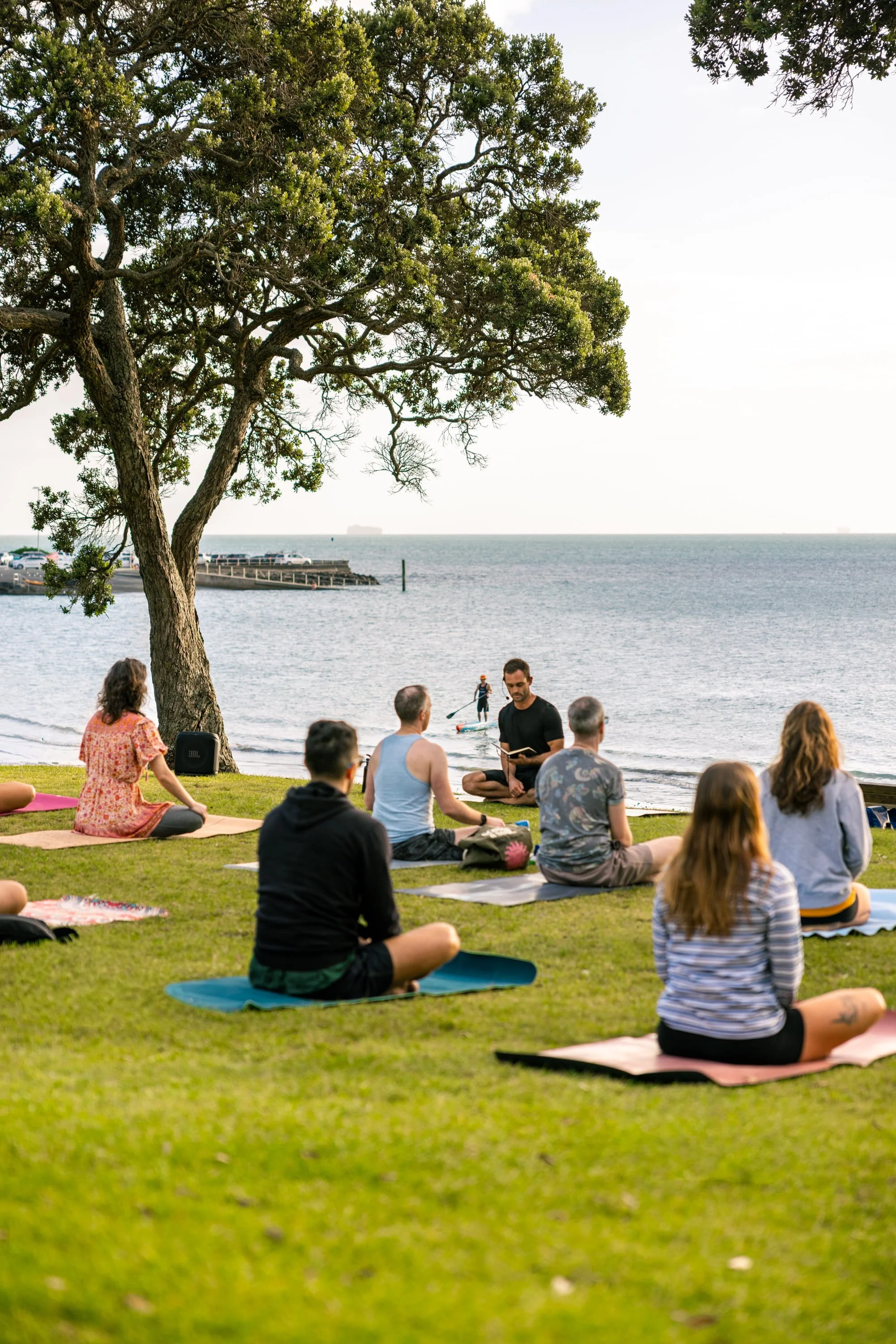
These are the most important images on the website because they communicate the core value of the tour in seconds. They should capture peak moments where guests are fully engaged, expressing genuine emotion and connection with the experience. People make decisions based on how easily they can imagine themselves there, so these photos need to feel real, immersive, and grounded in the actual experience rather than staged.
Strong hero images combine people, place, and emotion in a single frame. They should clearly show what the experience feels like while maintaining a high level of visual quality. If these images are weak or generic, the rest of the website struggles to hold attention.
If you are a New Zealand-based business and want to create this kind of imagery professionally, you can explore our business photography services here.
Location context
Once interest is captured, people want to understand where the experience takes place. These photos provide a clear sense of the environment, helping visitors evaluate whether the location is appealing and worth their time.
They should show the landscape or setting from different perspectives, giving enough context for the viewer to feel oriented. This is particularly important in tourism, where the uniqueness of the place often plays a major role in the decision to book.
Activity flow
These images help people understand what actually happens during the tour. Instead of relying only on written descriptions, visuals can communicate the structure and rhythm of the experience more effectively.
By showing different moments throughout the activity, these photos reduce uncertainty and make the experience easier to visualise. This clarity makes it easier for potential customers to decide, because they can mentally walk through what they will be doing.
Social proof
Trust is built when people see others like them enjoying the experience. These images show a range of real participants, making the tour feel accessible and relevant to different types of customers.
When the people in the photos feel authentic, the experience feels more credible. This helps bridge the gap between interest and trust, which is essential in tourism where the purchase happens before the experience itself.
Guides and hosts
The guide is often a central part of the experience, even if the tour itself is the main attraction. Showing who leads the tour helps humanise the business and creates a sense of familiarity before the booking.
Photos should present the guide as approachable and professional, ideally in moments of interaction with guests. This reassures potential customers that they will be in good hands and contributes to a stronger sense of trust.
Atmosphere and details
These images capture the subtle elements that shape how the experience feels. They focus on light, textures, small interactions, and moments that might otherwise go unnoticed.
While they are not the main decision drivers, they elevate the overall perception of quality and help create a more refined and immersive visual story. It is also important to avoid relying on stock images in this category, as they often feel generic and disconnected from the real experience. If you want to understand this in more depth, you can read our article titled “Why authentic brand photos outperform stock images”.
Practical details
These photos address practical concerns that might otherwise create hesitation. They show elements such as transport, meeting points, or equipment, helping visitors understand how the experience is organised.
By making these aspects visible, the experience feels more transparent and reliable. This reduces uncertainty and supports a smoother decision-making process.
Transformation or outcome
These images show the result of the experience, whether it is a completed activity or the emotional state of guests at the end. They reinforce the value of the tour by making the outcome tangible.
Seeing how people feel or what they achieve by the end helps close the gap between interest and action. It gives a clear sense of what the experience leads to, which strengthens the overall appeal of the offer.
Final thoughts
A strong tour website is not just a collection of nice images. It is a structured visual story that guides the viewer from curiosity to confidence. Each type of photo plays a role in that journey, from capturing attention to removing hesitation and reinforcing value.
When these elements are missing or inconsistent, even great experiences can feel unclear or unconvincing. When they are done well, the decision to book becomes natural.
If you are a New Zealand-based tour operator looking to improve how your experience is presented, you can explore our business photography services here.

About the author: Thaíz Lara is the founder of New Hermits. With a background in marketing, photography, and video production, she creates purposeful visuals for businesses and individuals across New Zealand. Her work blends strategy with storytelling, guided by a detail-oriented approach to every place, person, and brand she documents. Learn more about Lara.

Discover the essential types of photos tour operators need to present their experiences clearly, build trust, and increase bookings. From hero images to social proof and activity flow, learn how to guide potential customers from curiosity to confidence.