
Why authentic brand photos outperform stock images
There is a quiet moment that happens when someone lands on your website. Before they read your text, before they understand your offer, they look. And in that instant, they decide something about your business.
This article is for business owners, managers, and marketers who rely on visuals to attract customers, whether that is through a website, Google listings, or social media. If you have ever wondered why your visuals are not converting as expected, or why your brand feels harder to trust or remember, this will help you understand why.
We will explore the real difference between stock images and authentic brand photography, not from a purely aesthetic perspective, but from a marketing and behavioural one. Because in the end, the role of visual content is not just to look good, it is to communicate something real, something people can believe in.
What are stock and authentic photos
Stock images are pre-made photos licensed for general use. They are designed to be generic and widely applicable, which often makes them feel staged or disconnected from reality.
Authentic brand photos are created specifically for your business. They capture your real space, products, and people, reflecting how your brand actually exists. One is an approximation. The other is a representation.
They build trust
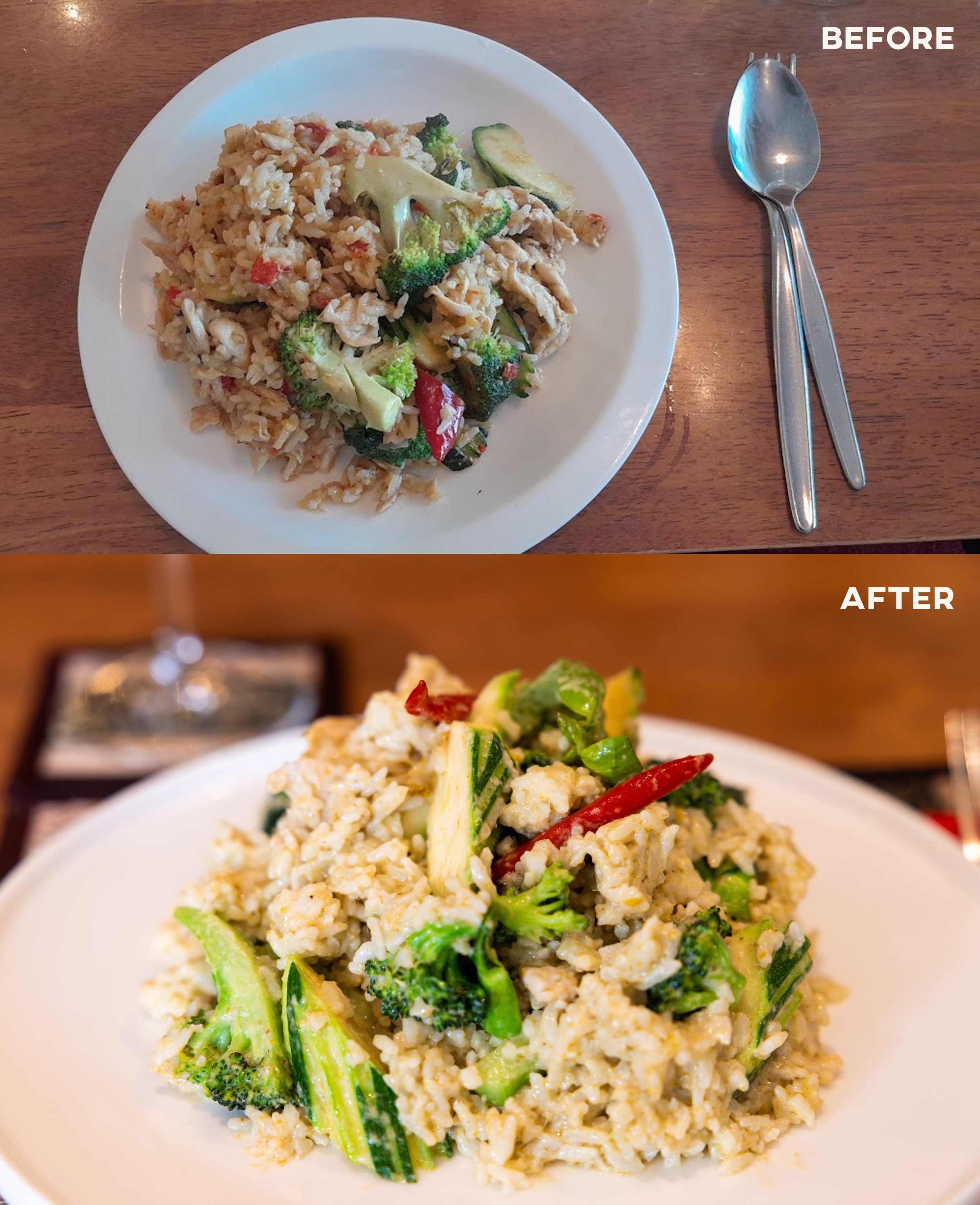
People quickly sense when something feels generic or staged. Stock images may look polished, but they often create subtle doubt. Viewers start questioning what is real and what is not.
Authentic photos remove that uncertainty. They show exactly what customers can expect, which makes your business feel more honest and reliable. This matters because trust is one of the strongest drivers of conversion. If your visuals feel artificial, people question the entire brand. If you are a New Zealand-based business looking to strengthen trust through visuals, you can explore this here.
They create brand differentiation
Stock images are, by design, widely used. The same image of a smiling team, a perfectly styled dish, or a bright living room may appear across dozens, sometimes hundreds, of different businesses. In some cases, even direct competitors are using the exact same visuals. This creates a subtle but powerful problem. If your visuals are not unique, your brand is not memorable. It becomes difficult for people to distinguish you from others offering similar services or products.
Authentic photography changes that dynamic completely. It captures your specific space, your way of working, your atmosphere, your details. These elements, even when simple, are what make a brand recognisable over time.
From a positioning perspective, differentiation is not optional. It is essential. When your visuals are generic, your business becomes interchangeable. When your visuals are specific and intentional, your brand begins to take shape in the mind of your audience.
They communicate context and experience
Most stock images focus on isolated perfection. A dish presented without context. A property without signs of real life. A team posed in an overly idealised setting. These images show what something looks like, but they rarely communicate what it feels like to experience it.
Authentic brand photography goes further. It places the subject within its real environment. A restaurant is shown not only through its food, but through its light, its textures, its atmosphere. A property is presented not just as a structure, but as a place someone could inhabit. A team is seen as people, not as a concept.
This sense of context is what allows potential customers to imagine themselves within that experience. And that imagination is a key step in decision-making. People do not choose only based on logic. They choose based on how something makes them feel. When visuals can communicate atmosphere and story, they bridge the gap between seeing and wanting.
They improve conversion rates
This is where the impact becomes measurable. Authentic visuals directly influence how people behave. When someone views real photos of a property, they are better able to assess whether it fits their needs. When they see real images of food, they can imagine taste, quality, and portion. When they see a real team, they feel more comfortable reaching out.
In each case, uncertainty is reduced. And when uncertainty decreases, action becomes more likely. Stock images, on the other hand, often introduce ambiguity. They may look appealing, but they do not provide verification. The viewer is left wondering what is real and what is not. That hesitation can be enough to stop a booking, a purchase, or an enquiry.
Conversion is not only about attracting attention. It is about removing doubt. Authentic visuals do exactly that by aligning expectations with reality.
They strengthen brand consistency
Stock images often vary in style, lighting, and tone, which creates a fragmented visual identity. Authentic photography allows for consistency. A clear visual style can be maintained across your website and social media, reinforcing your brand identity. Over time, this builds recognition and supports a stronger positioning.
If you want to go deeper into what visuals your business should prioritise, you can read: What photos every business should add to the website.
They perform better on social media
On platforms like Instagram, generic images are easy to ignore. They blend into the feed and rarely capture attention. Authentic content feels more human and specific. It stands out, generates more engagement, and builds a stronger connection with your audience. This is why authenticity consistently outperforms generic visuals in social media environments.
Conclusion
At a glance, stock images and authentic brand photos may seem to serve the same purpose. Both fill space. Both make a website look complete. But their impact is fundamentally different. Stock images approximate reality. Authentic brand photos reveal it.
And in a world where people are constantly filtering what to trust, that difference matters. It affects how your business is perceived, how memorable it becomes, and ultimately, whether someone chooses to engage with you or move on. If your goal is to build a brand that feels credible, distinctive, and aligned with the experience you actually offer, authentic visuals are not a luxury. They are a foundation.
If you are based in New Zealand and want to create visuals that genuinely represent your business and support your marketing goals, you can learn more here.
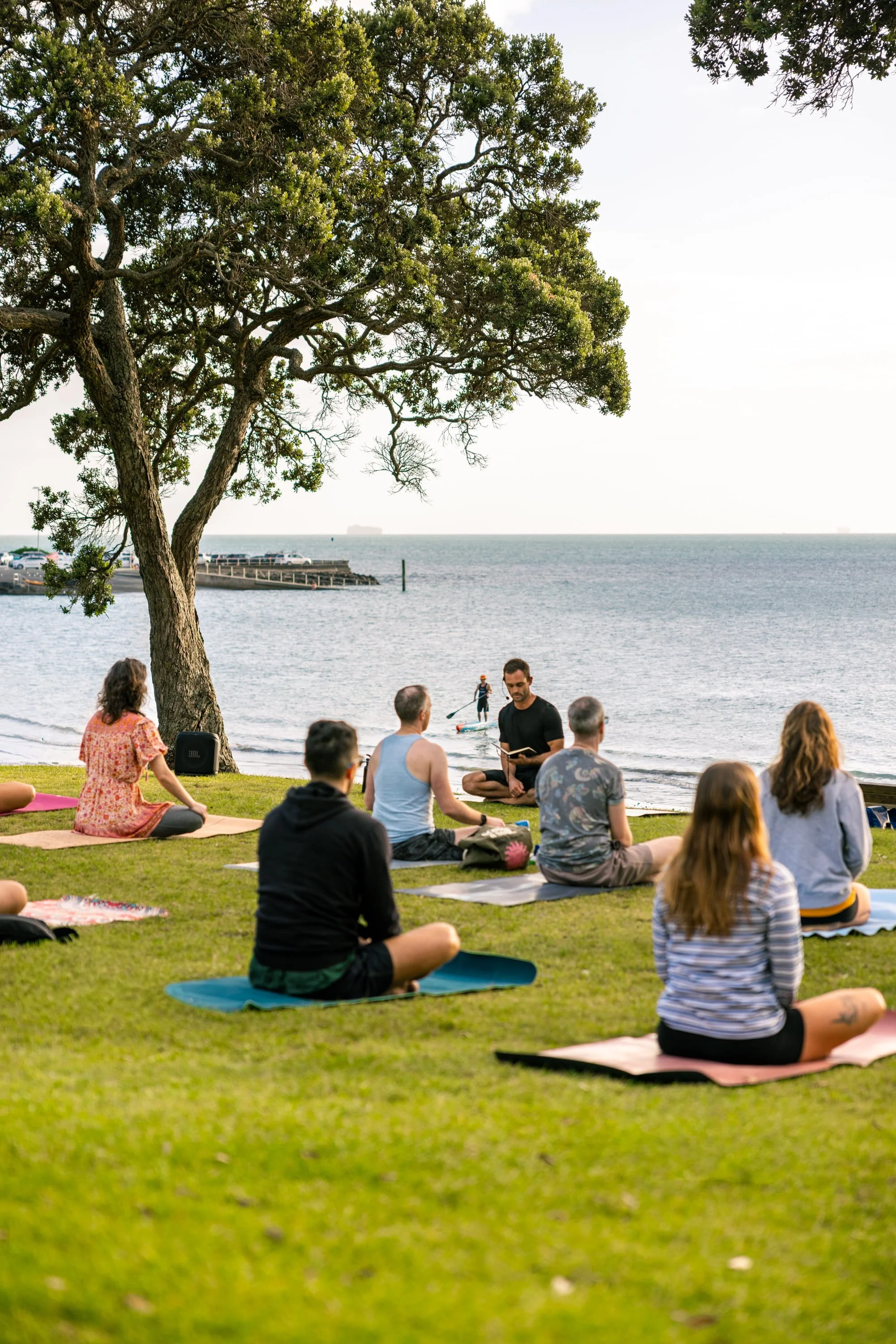

About the author: Thaíz Lara is the founder of New Hermits. With a background in marketing, photography, and video production, she creates purposeful visuals for businesses and individuals across New Zealand. Her work blends strategy with storytelling, guided by a detail-oriented approach to every place, person, and brand she documents. Learn more about Lara.

Discover the essential types of photos tour operators need to present their experiences clearly, build trust, and increase bookings. From hero images to social proof and activity flow, learn how to guide potential customers from curiosity to confidence.