
How experience photos build trust with travellers
When travellers choose a tour or experience, they are making a decision without fully knowing what they will get. They are often in a different country, unfamiliar with the provider, and relying on limited information. In this context, trust becomes the deciding factor.
This article is for tourism operators, experience providers, and travel businesses who want to understand how visual content influences traveller decisions. If you are looking to attract more bookings and present your experience more professionally, this will help you see why your photos and videos matter more than you might think.
If you are a New Zealand–based business and want to improve how your experience is presented, you can also explore our business photography services here.
They show the real experience, not a promise
Travellers are naturally sceptical of marketing language. Anyone can say a tour is “amazing” or “unforgettable”, but words alone are not enough to build confidence. Photos and videos provide something far more powerful: evidence.
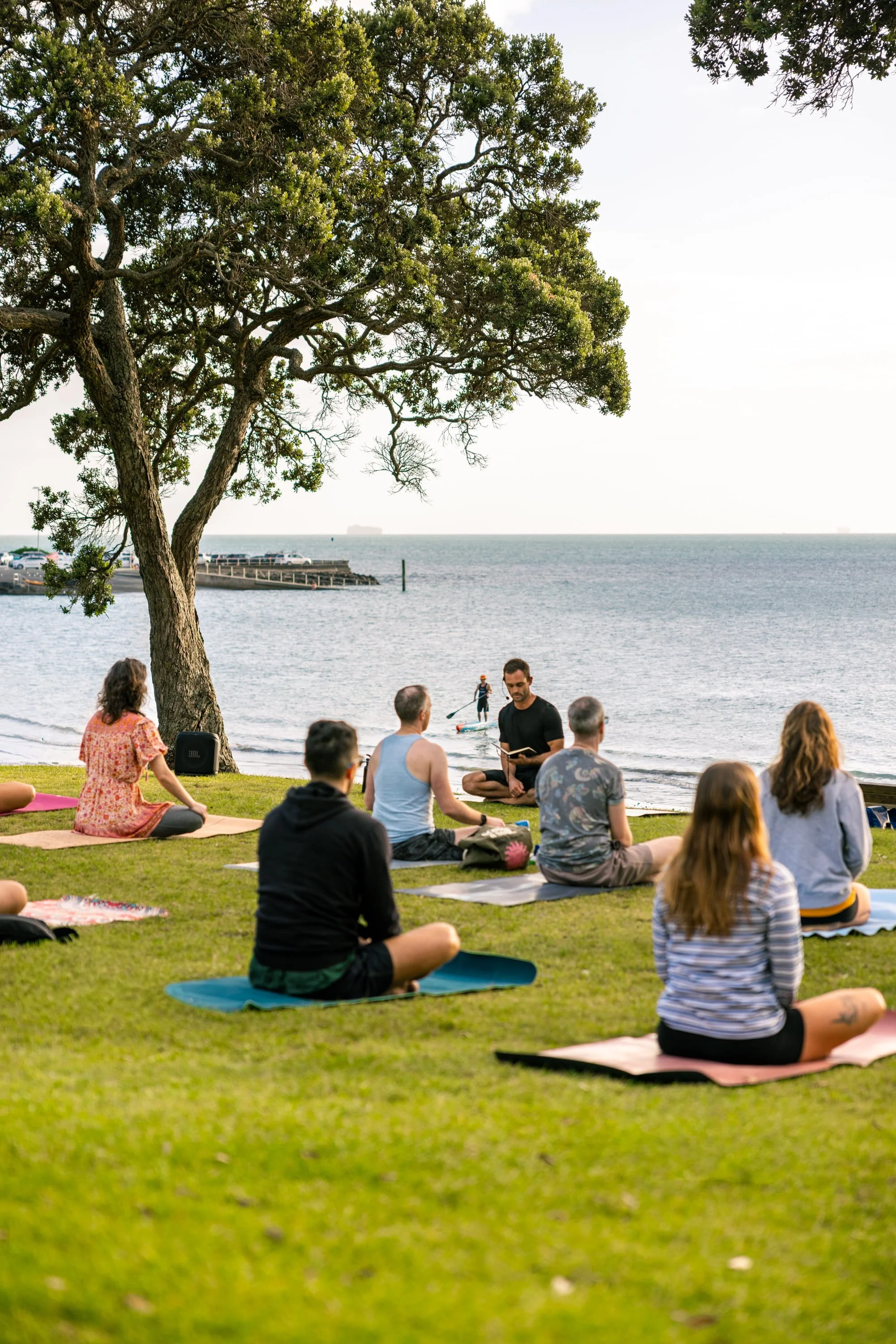
When a traveller sees real people participating in the experience, the surrounding landscape, the atmosphere, and the small details, they begin to imagine themselves in that moment. This mental simulation reduces uncertainty and helps them feel more confident in their decision.
This is especially important in tourism because the product is intangible until it happens. Visuals make the experience feel real before it even begins. From a behavioural perspective, this taps into uncertainty reduction and mental imagery, both of which are known to increase purchase confidence.
They signal professionalism and reliability
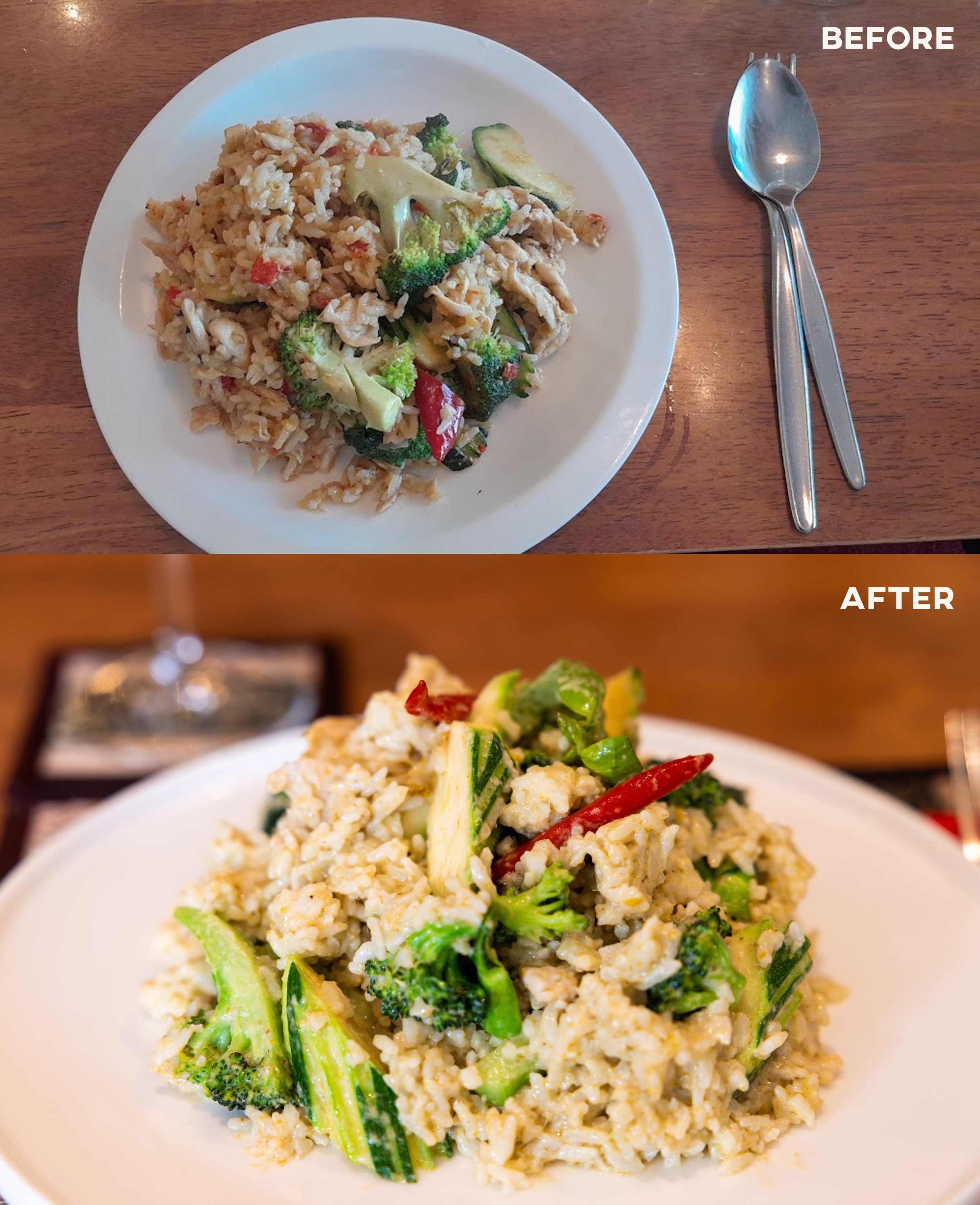
High-quality visuals do more than look good. They shape how travellers perceive the business behind them. When a tour operator presents clear, well-composed images with consistent style and thoughtful storytelling, it communicates organisation, attention to detail, and care. Without needing to say it directly, the visuals suggest that the same level of professionalism will carry through to the experience itself.
On the other hand, inconsistent or poorly executed visuals can create doubt. Even if the experience is actually excellent, the perception becomes weaker because the presentation does not support it. This reflects a fundamental principle: strong visuals build trust . In tourism, where many bookings are made by people who have never interacted with the business before, these visual signals become even more important.
They create emotional connection before the booking
People do not choose experiences based only on logic. They choose based on how they expect to feel. Photos and videos have the ability to communicate emotion instantly. A moment of laughter between travellers, a quiet landscape at sunrise, or a shared experience between strangers can all evoke a feeling. These emotional cues help travellers connect with the experience before they have even booked it.
Instead of asking, “Is this a good tour?”, the traveller begins to ask, “Does this feel right for me?”. This shift is powerful. Emotional engagement increases perceived value and reduces hesitation, making the decision feel more intuitive and aligned.
They align expectations
Trust is not only built before the booking. It must also be maintained after it. Accurate and authentic visuals play a key role in setting expectations. When photos and videos represent the experience honestly, they help travellers understand what they will actually encounter, from the environment to the pace and atmosphere.
This reduces the gap between expectation and reality. When travellers arrive and the experience matches what they saw, their trust is reinforced rather than broken. This leads to better reviews, stronger word-of-mouth, and a more reliable reputation over time. In contrast, visuals that overpromise or misrepresent can lead to disappointment, even if the experience itself is objectively good.
They act as social proof without words
Even without explicit reviews, visuals can communicate:
how many people join the experience
the type of travellers it attracts
the quality of the moments being created
A photo of a couple laughing during a tour, or a group fully engaged in an activity, signals that others have already trusted this experience and enjoyed it. This is a form of implicit social proof, which is often more powerful than written testimonials because it feels more natural and less curated.
If you are a tour operators and want to go deeper into what visuals you should be using, you can read our article “What photos every tour operator should have”.
They differentiate in crowded marketplaces
Tourism platforms are highly competitive, and many experiences appear similar at first glance. In this environment, visuals are often the first point of contact between the traveller and the business. Strong photos and videos capture attention immediately. They make a listing stand out, create a clear impression, and position the experience as more refined and thoughtfully designed. This visual differentiation can be the factor that stops someone from scrolling and encourages them to click.
In practical terms, this directly impacts visibility, click-through rates, and ultimately bookings. Visual content is not just aesthetic, it is a marketing tool that strengthens positioning and credibility .
They reflect the experience quality itself
In tourism, the way an experience is presented often reflects the experience itself. When a company invests in capturing its experience well, it usually indicates a broader level of care. It suggests that attention is given not only to marketing, but also to the details that shape the guest’s journey.
Travellers intuitively make this connection. They assume that a business that presents itself thoughtfully will also deliver a more considered and enjoyable experience. In this sense, photos and videos are not separate from the product. They are part of how the product is perceived.
Conclusion
Experience photos and videos are not just a way to showcase what you offer. They are one of the most effective tools you have to build trust with travellers.
They reduce uncertainty, communicate professionalism, create emotional connection, and help travellers feel confident in their decision. In a market where people are choosing between multiple options, often from the other side of the world, this trust becomes your biggest advantage.
If you are a New Zealand–based tourism or business operator and want to present your experience in a way that builds trust and attracts the right clients, you can learn more about our services here.

About the author: Thaíz Lara is the founder of New Hermits. With a background in marketing, photography, and video production, she creates purposeful visuals for businesses and individuals across New Zealand. Her work blends strategy with storytelling, guided by a detail-oriented approach to every place, person, and brand she documents. Learn more about Lara.

Discover the essential types of photos tour operators need to present their experiences clearly, build trust, and increase bookings. From hero images to social proof and activity flow, learn how to guide potential customers from curiosity to confidence.