
Menu or lifestyle food photography: what attracts customers
When a customer looks at your restaurant online, what are they really seeing? Is it just a dish on a plate, or is it a moment they want to be part of?
Many restaurant owners invest in “food photography” without realising that there are two very different approaches, each serving a specific purpose in your marketing. Understanding this difference can directly impact how many people click on your listing, how your brand is perceived, and ultimately, how many orders or bookings you receive.
In this article, you’ll learn the difference between menu photography and lifestyle food photography, when to use each, and how combining both can strengthen your restaurant’s visual presence. If you prefer to focus on running your business rather than managing all of this yourself, you can explore our professional food photography services in New Zealand here.
What is menu photography
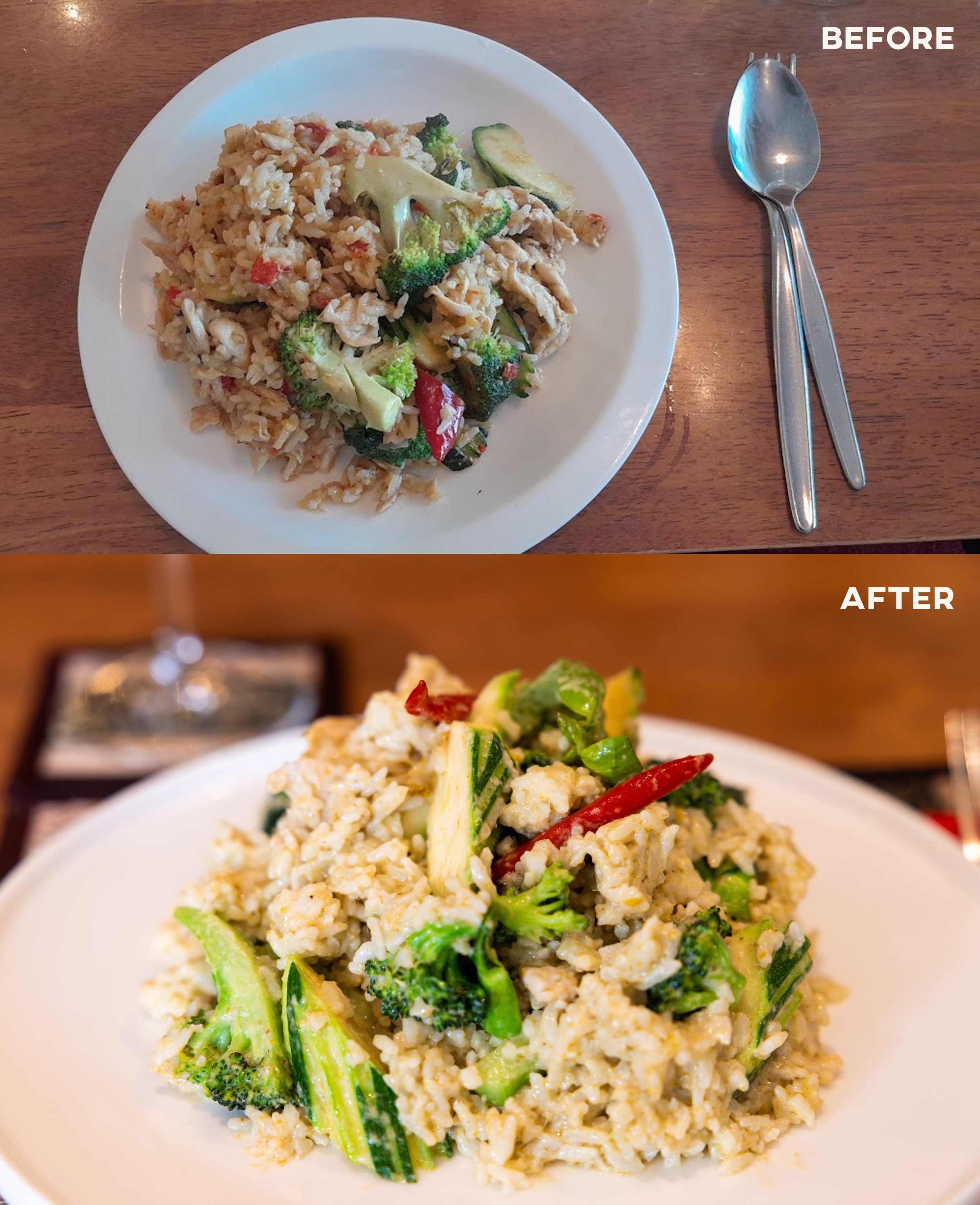
Menu photography focuses on presenting each dish clearly and accurately. The goal is simple: help the customer quickly understand what they are ordering. These images are usually clean and minimal. The dish is the centre of attention, with little to no distractions. Backgrounds are often neutral, styling is controlled, and lighting is consistent across all menu items. This creates a sense of clarity and professionalism.
You’ll typically use menu photography on delivery platforms like Uber Eats or DoorDash, as well as on printed or digital menus and Google Business profiles. In these environments, people scroll quickly and make decisions in seconds. A clear, well-lit image can interrupt that scrolling behaviour and increase the likelihood of a click.
Menu photography is about clarity, consistency, and conversion.
What is lifestyle food photography
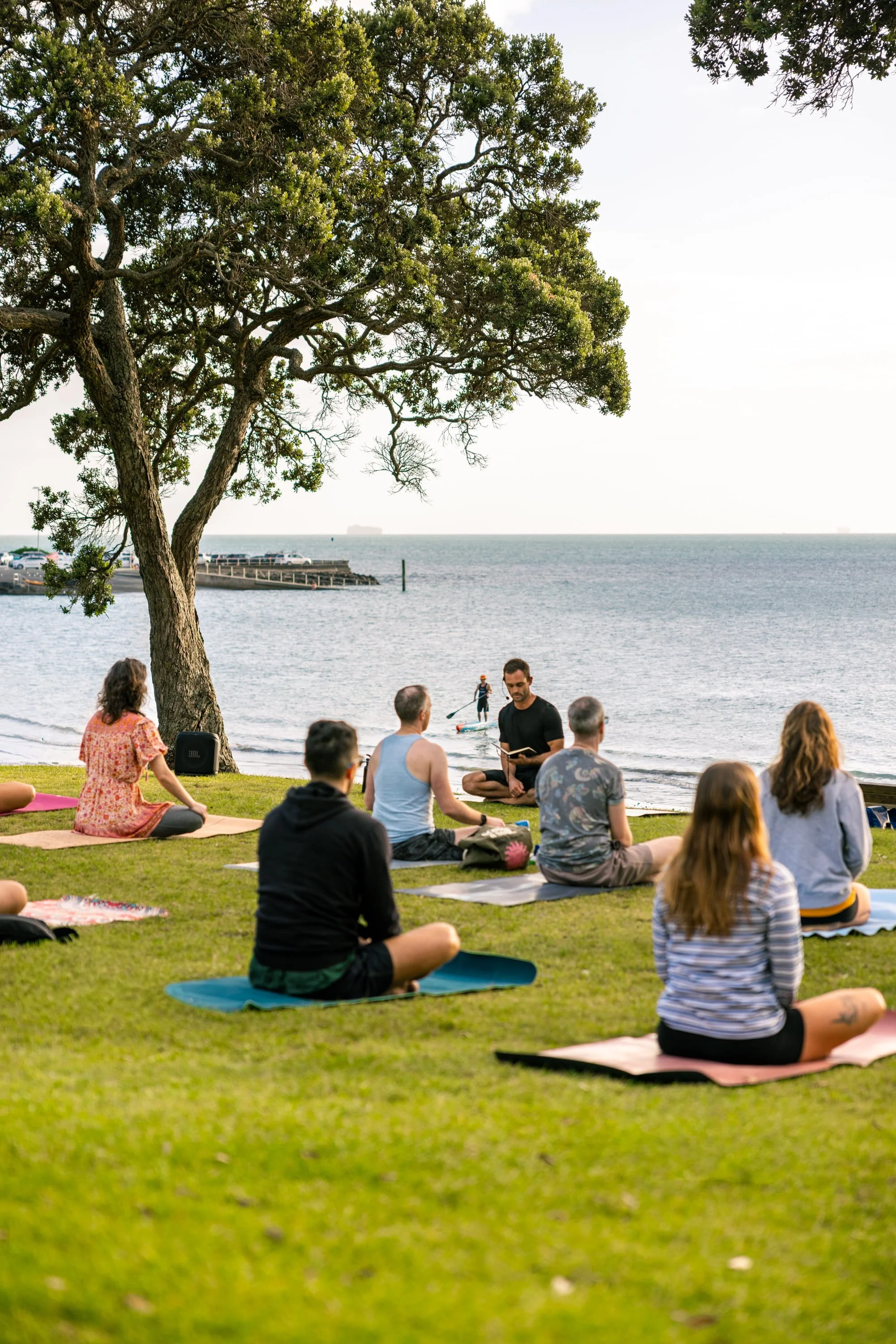
Lifestyle food photography places your food within a real-life context. Instead of isolating the dish, it shows how it is experienced. This might include people interacting with the food, a table setting, or the atmosphere of your venue. The focus shifts from “what is this dish?” to “what does it feel like to be here?”
These images are often more dynamic and expressive. They may include movement, imperfect compositions, and warm, natural lighting that reflects the true atmosphere of your space. Lifestyle photography is commonly used on social media, websites, and marketing campaigns, where the goal is to build a strong brand and emotional connection with your audience.
It is about selling the experience of your restaurant.
When to use each type of photography
If your goal is to increase online orders or improve menu clarity, menu photography should be your priority. It ensures that every item looks consistent, professional, and easy to understand. In this other article you learn exactly how to prepare dishes for this type of photoshoot.
If your goal is to build a strong brand, attract new customers, and stand out from competitors, lifestyle photography becomes essential. It communicates atmosphere, identity, and emotion.
Most successful restaurants do not choose one over the other. They use both, intentionally. This creates a balanced visual presence that is both practical and emotionally engaging.
Final thoughts
Your food deserves to be seen in the right way. Not just as a product, but as part of an experience. Together, these types of media create a complete visual story that helps your restaurant stand out and grow.
If you want your visuals to reflect both quality and purpose, working with a professional photographer can make a significant difference. Explore our food photography services in New Zealand here.

About the author: Thaíz Lara is the founder of New Hermits. With a background in marketing, photography, and video production, she creates purposeful visuals for businesses and individuals across New Zealand. Her work blends strategy with storytelling, guided by a detail-oriented approach to every place, person, and brand she documents. Learn more about Lara.

Discover the essential types of photos tour operators need to present their experiences clearly, build trust, and increase bookings. From hero images to social proof and activity flow, learn how to guide potential customers from curiosity to confidence.